

Ztronica vs Godot: AI-Assisted Game Creation vs the Open-Source Engine
Godot is the engine underneath Ztronica — but they are not the same product. Compare learning curve, AI features, Studio integration, and which path fits your project.
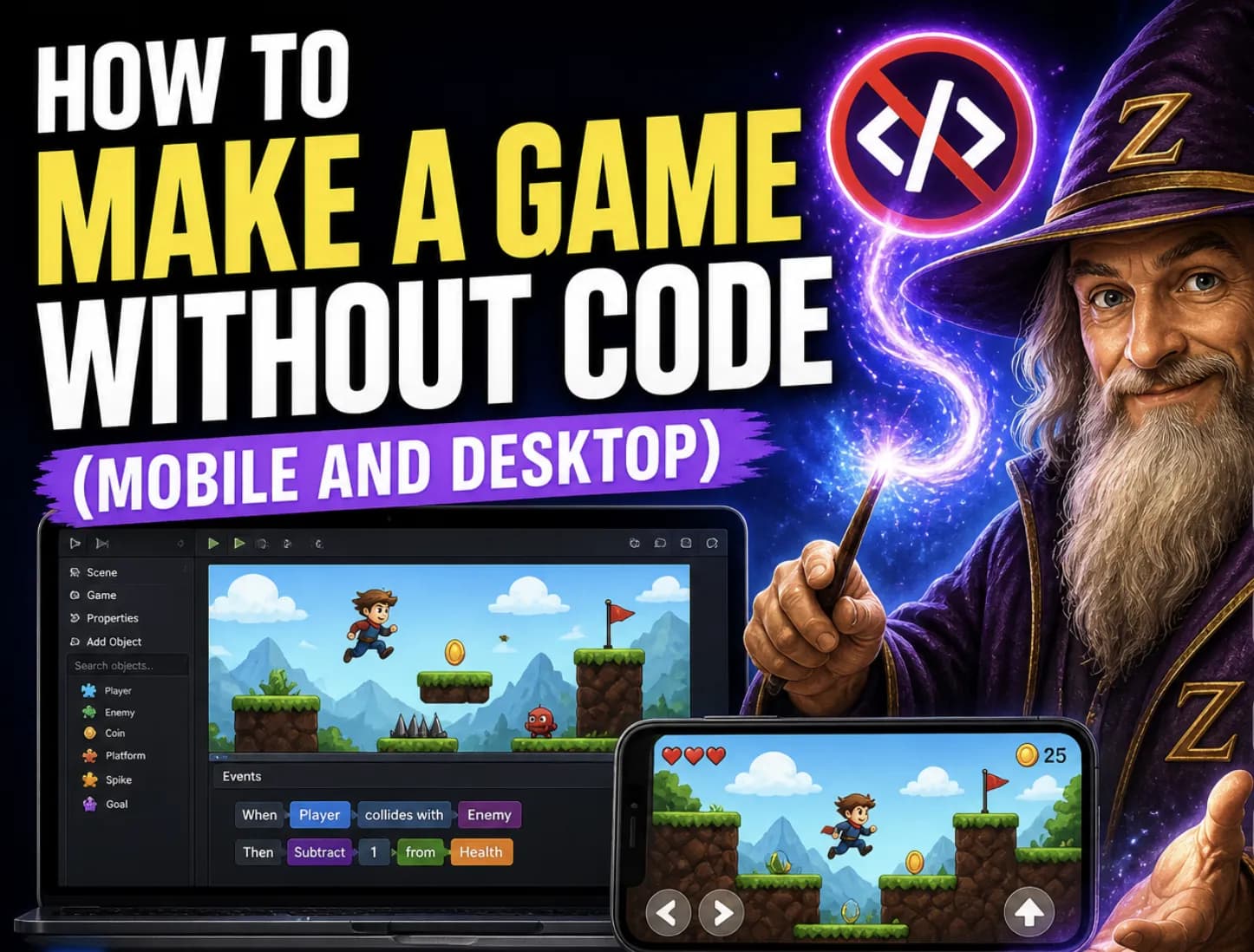
Godot is one of the best open-source game engines available. Ztronica is built on Godot — so why not just use Godot directly? Because Ztronica adds an AI-first workflow, Ztronica Studio for asset generation, and a simplified path from idea to export. This article explains when each option makes sense.
What is Godot?
Godot is a free, open-source engine for 2D and 3D games. You write GDScript or C#, build scenes in the editor, and export to desktop, mobile, and web. It has a passionate community, no licensing fees, and full source access.
What is Ztronica?
Ztronica wraps Godot with an AI assistant that generates gameplay logic, scenes, and fixes from natural language — similar to how Cursor helps with code. Ztronica Studio generates images, 3D models, audio, and animation that drop into your project without manual import loops.
Learning Curve
Godot is approachable compared to Unity or Unreal, but you still learn nodes, signals, scenes, and scripting to build anything beyond tutorials.
Ztronica lowers the floor: describe mechanics in chat, iterate with AI, and use Studio for art when you cannot draw or model. You can still access Godot concepts when you need them, but you are not blocked on day one.
Winner: Ztronica for non-programmers and fast prototypes. Godot for developers who want pure engine control.
AI and Asset Generation
Godot has community plugins and external tools, but no built-in generative Studio. You bring your own art stack — Blender, Aseprite, commercial AI tools, asset stores.
Ztronica Studio is native: one account, one library, engine sidebar integration.
Winner: Ztronica.
Open Source and Extensibility
Godot's source is fully open. You can fork it, build custom modules, and ship without a vendor.
Ztronica is a productized layer on Godot. You trade some low-level freedom for speed and integrated AI. Teams that need deep engine forks may still choose vanilla Godot.
Winner: Godot for maximum hackability. Ztronica for turnkey indie production.
Pricing
Godot is free. Ztronica offers free tiers with paid plans for Studio credits, team features, and higher usage. You are paying for AI generation and the assisted workflow, not for the engine runtime itself.
Winner: Godot on price alone. Ztronica when AI and Studio time savings outweigh subscription cost.
Which Should You Choose?
Choose Godot if you are comfortable programming, want zero vendor lock-in, and already have an art pipeline.
Choose Ztronica if you want Godot's foundation plus AI-assisted development and generative media in one place — especially for mobile and desktop indie games where speed matters.